Middle-class luxury: when status isn’t about wealth anymore
Once they only represented the purchasing potential of consumers. Today they must reflect authenticity and a sense of community. Without losing the ability to innovate
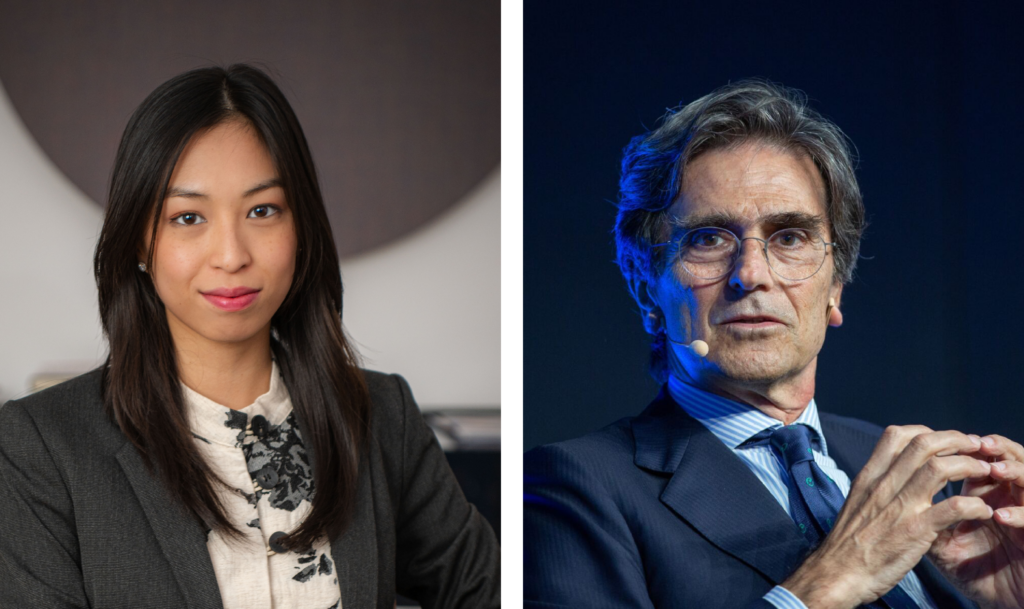
Article by Grace To published in Sistemi&Impresa
Owning a home, enjoying job security, raising a family, and being able to afford leisure activities used to be standard markers of middle-class life. Today, these aspects often seem like fantasies for many millennials and members of Gen Z. Despite this, the desire for social mobility and self-expression remains strong—it has simply evolved.
As economic pressures increase, a new form of luxury is emerging. This is not the opulence associated with brands like Hermès or lifestyles filled with yachts, but rather a more subtle, curated experience that emotionally resonates with people and redefines consumption. Middle-class luxury is not a contradiction; it is a socioeconomic response, a cultural phenomenon, and a revolution in branding. The definition of the middle class has become increasingly ambiguous. Wage stagnation, inflation, and rising inequality have weakened the economic foundation in many Western societies. For instance, in the United States, the average millennial household owns significantly less housing wealth than previous generations
did at the same age. Despite this, luxury brands continue to thrive, albeit in a different context than we once understood. Today's middle class is less defined by income and more by cultural capital. Many individuals may lack traditional wealth, but they still seek identity, community, and recognition. This aspirational desire has become a fertile ground for a new kind of luxury—one that is emotionally gratifying, culturally relevant, and socially visible.
Luxury for the masses
Middle-class luxury brands exist at the crossroads of aspiration and accessibility. These brands are often affordable yet highly desirable. Examples include Telfar, Glossier, Polène, and even Rummo pasta. They convey a sense of curation, taste, and cultural relevance without requiring extreme wealth. Harvard Business Review referred to this trend twenty years ago as “luxury for the masses,” but in the 2020s, it has evolved further, influenced by social media, nostalgia, and hyper-individualism in consumption habits. These brands not only sell products; they offer a sense of belonging, lifestyle, and self-worth. What distinguishes these brands is not their quality or exclusivity but their emotional resonance. Consumers are no longer simply purchasing items; they are buying into a narrative. Today, brands are implementing strategies that turn consumption into a means of self-definition. Some of the most common approaches include: Private labeling—store-owned or white-label products—are rebranded with boutique aesthetics to create the illusion of scarcity or exclusivity. Nostalgia and regressive design utilize retro visuals, minimalist packaging, and cartoon collaborations to evoke familiarity and comfort, appealing to emotionally driven consumption. Cultural collaborations, such as those between creative directors and niche internet figures, help brands remain relevant while building symbolic capital and social clout. Microtrends and quiet luxury are characterized by minimalist, unbranded aesthetics that signal refinement and restraint, which are key components of the “stealth wealth” visual code. Social-first commerce on platforms like TikTok and Instagram, along with influencer-led content, transforms products into performances, making even a $30 cleanser or a $7 oat milk feel aspirational.
Luxury in the food industry
This branding logic extends beyond just fashion and beauty; it has permeated industries that were previously resistant to lifestyle branding. A prime example of this is the food industry. Middle-class values are now reshaping how food is packaged, priced, and marketed. Items that were once viewed as practical, affordable, and ordinary have been transformed into aesthetic, emotional, and cultural products. For instance, pasta brands like Barilla, which were staples in many households, are now being outperformed by competitors like Rummo. Rummo emphasizes artisanal drying methods, regional pride, and visual appeal. Consumers are choosing these brands not just for their quality, but because they represent taste, refinement, and lifestyle. Other brands follow a similar trend. Magic Spoon sells cereal with a focus on nostalgia and wellness. Oatly has redefined oat milk as a design object. Even brands like Sanzo, which offers sparkling water, or Ghia, which provides canned cocktails, promise more than just refreshment—they offer a curated identity. Grocery store shelves are increasingly resembling lifestyle catalogs, as middle-class consumers apply luxury branding principles to their everyday choices. What you eat, how it’s packaged, and where it’s sourced have become status symbols—food has become a form of fashion.
Realigning corporate branding
This shift is driven by a significant realignment in corporate branding. Conglomerates like LVMH, L’Oréal, and Unilever are acquiring or developing “middle-tier” brands that combine cultural significance with mass appeal. By using house-of-brands strategies, these companies can maintain luxury prestige while reaching younger, aspirational consumers. For example, Louis Vuitton's recent investments in Birkenstock and Polène illustrate this trend. L’Oréal’s portfolio now includes brands like Aesop, CeraVe, and Galderma. These acquisitions reflect a strategy that goes beyond simply diversifying products; they focus on controlling cultural relevance across various market segments. Legacy corporations are increasingly betting on the changing preferences of different generations, recognizing that the middle-class consumer represents the future of luxury. This transformation is also influenced by geographical and cultural differences. In China, clear status signaling—such as logos, heritage, and exclusivity—plays a significant role in luxury marketing. However, in Western markets, especially in the wake of the pandemic, there has been a shift toward self-care, subtlety, and emotional intimacy. Luxury is now perceived as quiet, introspective, and more accessible. As luxury markets in China mature and Western consumers face greater economic uncertainty, brands are adjusting their messaging. The challenge is to be inclusive enough for middle-class buyers without compromising their prestige. As branding takes centre stage, a deeper tension emerges. When every product is curated, aesthetically designed, and emotionally charged, the line between substance and spectacle begins to blur. Some consumers are starting to question the authenticity of it all. The “dupe economy” has exploded not just because people want cheaper alternatives, but because the originals often lack true innovation. Branding is everywhere, yet finding genuine meaning is becoming increasingly difficult.
Consumption as identity
Beneath this shift lies a quiet identity crisis. With traditional life markers slipping out of reach, people turn to brands for reassurance, recognition, and a sense of control. Consumption becomes a proxy for identity. Brands, in turn, cater to this need by crafting carefully designed stories and emotionally resonant visuals. The underlying message is clear: “Buy this and become someone.” This phenomenon isn’t necessarily sinister; it reflects a broader cultural evolution in how identity is shaped and expressed. However, it also reveals the extent to which the market has transitioned from serving needs to shaping desires. Middle-class luxury is not merely a fleeting consumer trend; it illustrates how capitalism adapts to structural and emotional changes. It commodifies not only what people desire but also what they long for: to feel seen, to belong, and to live well. As brands increasingly blur the line between accessibility and aspiration, consumers find themselves navigating a paradox. They are not purchasing luxury to feel wealthy; they are buying it to feel normal. And perhaps that’s the most telling form of luxury of all.